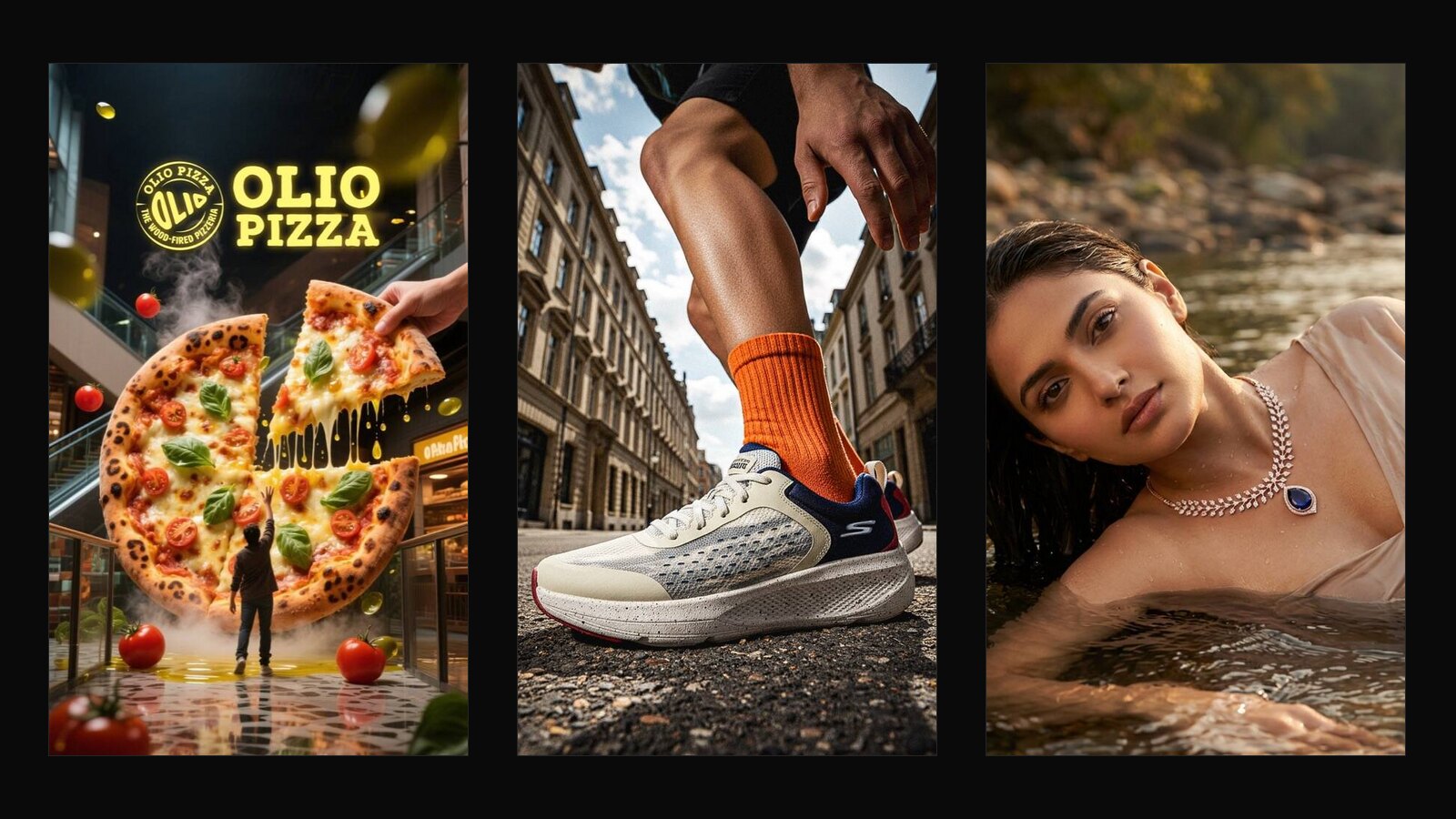
Creating compelling video content for food and beverage products presents unique challenges. Brands need to showcase freshness, texture, and appeal, often under tight deadlines and budgets. Traditional shoots are resource-intensive, involving perishable goods, food stylists, and complex logistics. AI product video offers a new approach, allowing D2C and B2B brands to produce high-quality, engaging visuals with greater efficiency and control.
The Challenges of Traditional Food Video Production
Traditional video production for food and beverage items is complex. It requires significant investment in studio space, equipment, and a full crew including directors, cinematographers, and food stylists. Managing perishable ingredients on set adds pressure and can lead to waste. Each product variation often demands its own setup and shoot.
The demand for diverse content across multiple platforms — from e-commerce listings to social media ads and investor presentations — means brands need a high volume of video. Producing this scale with traditional methods is slow and expensive. It limits a brand's ability to test different ad creatives quickly or respond to market trends.
What is AI Food and Beverage Product Video?
AI food and beverage product video uses artificial intelligence to generate dynamic visual content. It transforms existing product assets, such as high-resolution photographs or 3D models, into realistic videos. This process bypasses the need for physical shoots entirely, eliminating many traditional production hurdles.
The core of this technology is its ability to render products with precision. AI can create various scenes, lighting conditions, and camera movements. The product itself, whether it is a packaged snack, a fresh ingredient, or a prepared dish, remains visually consistent and authentic throughout the AI-generated video. This ensures brand integrity is maintained across all assets.
Key Benefits for D2C Food Brands
For D2C food brands, AI video production offers critical advantages in speed and scale. You can generate hundreds of unique video creatives for A/B testing on ad platforms, optimizing campaigns for better performance. This volume allows for a constant refresh of content across social media channels, keeping your audience engaged with fresh visuals.
Cost efficiency is another major benefit. D2C brands can significantly reduce expenses associated with traditional shoots. There are no studio rental fees, no catering costs, no extensive crew salaries, and no material waste from perishable items. This reduction in overhead makes high-quality video production accessible, even for smaller marketing budgets.
Advantages for B2B Food and Beverage Suppliers
B2B food and beverage suppliers can use AI video to showcase their offerings to distributors, retailers, and restaurants. Present ingredients in various states or demonstrate the quality of bulk products without logistical complexities. You can tailor video content for specific client presentations, highlighting features relevant to each partner.
AI video also helps overcome challenges with samples and transport. Instead of shipping perishable goods for every demonstration or trade show, a high-fidelity AI video can present the product effectively. This is especially useful for showcasing raw materials or products with specific handling requirements.
Diverse Applications in Food and Beverage Video
AI video production can adapt to many content needs for food and beverage brands. It goes beyond simple product rotations. Brands can create dynamic showcases that highlight packaging, texture, and key ingredients through detailed close-ups and simulated interactions.
You can also integrate products into various contextual environments. Imagine a packaged snack on a picnic blanket, or a beverage being poured into a glass at a cafe, all without a physical set. AI can generate short, engaging campaign films for new product launches or seasonal promotions, focusing entirely on the product's visual appeal and brand story. These applications allow for creative freedom without the usual production limitations.
Ensuring Realism and Brand Authenticity
A common concern with AI-generated content is maintaining realism. High-quality AI video production prioritizes this. It focuses on accurate lighting, realistic textures, and precise reflections to ensure the food or beverage product looks genuinely appealing. The goal is for the audience to connect with the product's visual promise.
The AI process ensures that your actual product's visual identity remains central. In a campaign film we made for Menaki, a luxury bag label, the entire video was AI-generated, avoiding models or locations. Crucially, the bag was the client's real product, kept identical in every frame. This principle extends to food and beverage, where the integrity of the product's appearance is paramount.
Evaluating an AI Video Production Partner
Choosing the right AI video production partner is crucial for success. Look for an agency that demonstrates a deep understanding of visual quality and brand guidelines. Their experience should reflect an ability to handle complex textures and realistic rendering, particularly important for food and beverage items.
Consider these points when evaluating a potential partner:
- Review their portfolio for realism and attention to detail, especially with intricate textures or liquid effects.
- Inquire about their workflow and how they ensure consistent brand representation across all video assets.
- Discuss their capacity to scale production to meet your specific needs for high-volume content.
- Ask about their process for integrating your existing product assets while maintaining authenticity in AI-generated visuals.